What to see in Triana, Seville: the essentials, the overrated and how long to spend there
Triana trades on an image of a working-class, flamenco neighbourhood that does not always match what you find on the ground. This guide separates what justifies the walk across the river from what is mostly a much-repeated postcard.
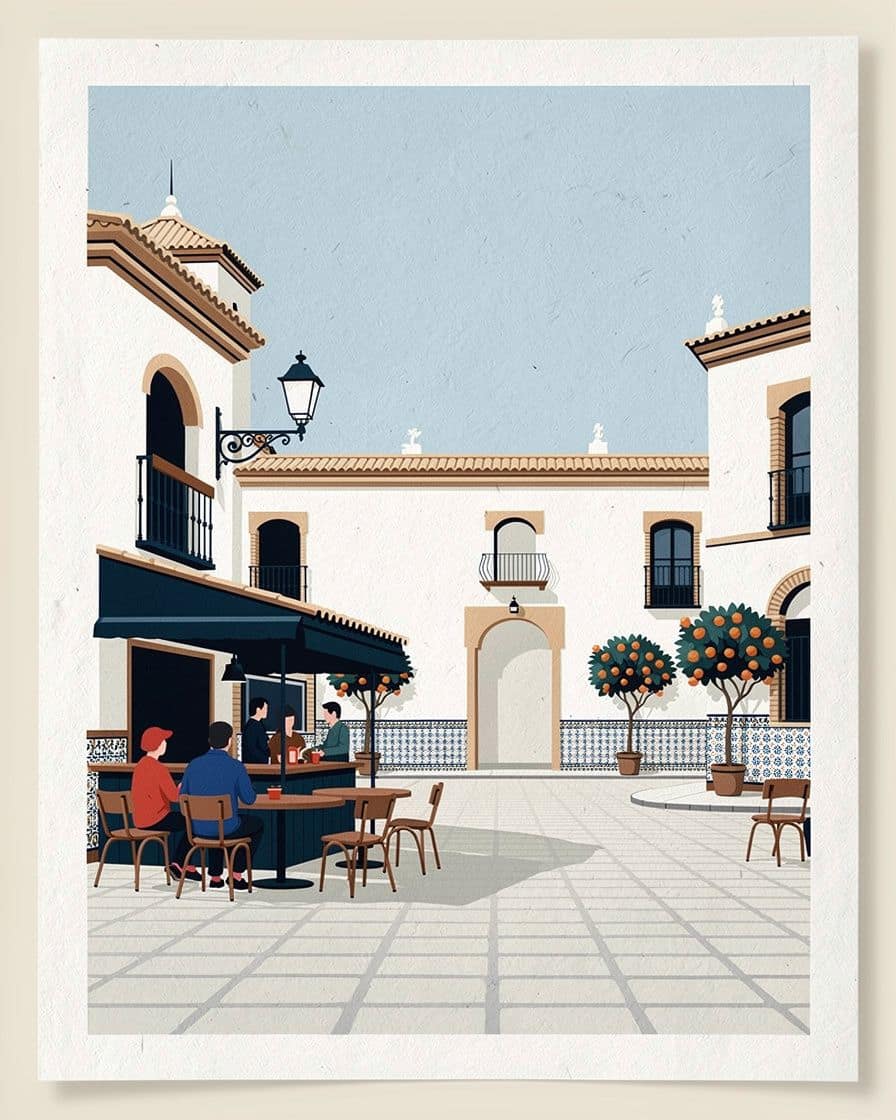
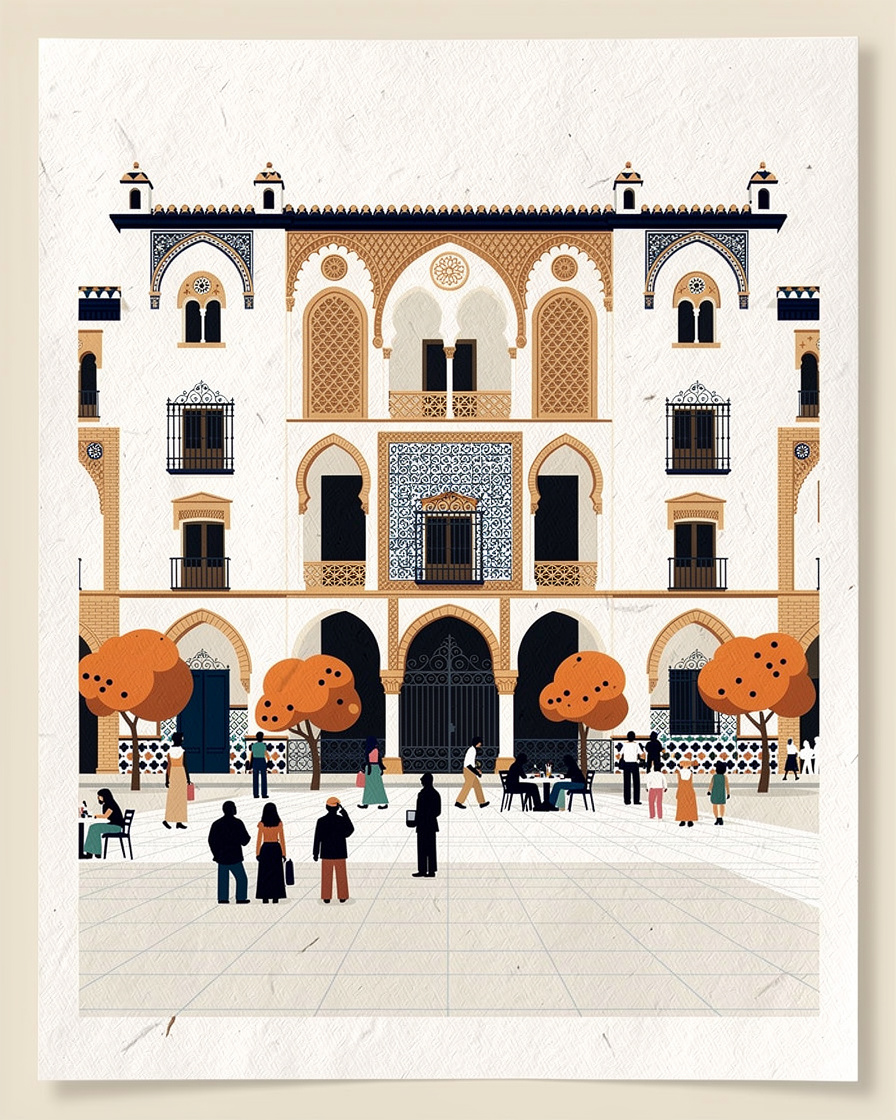
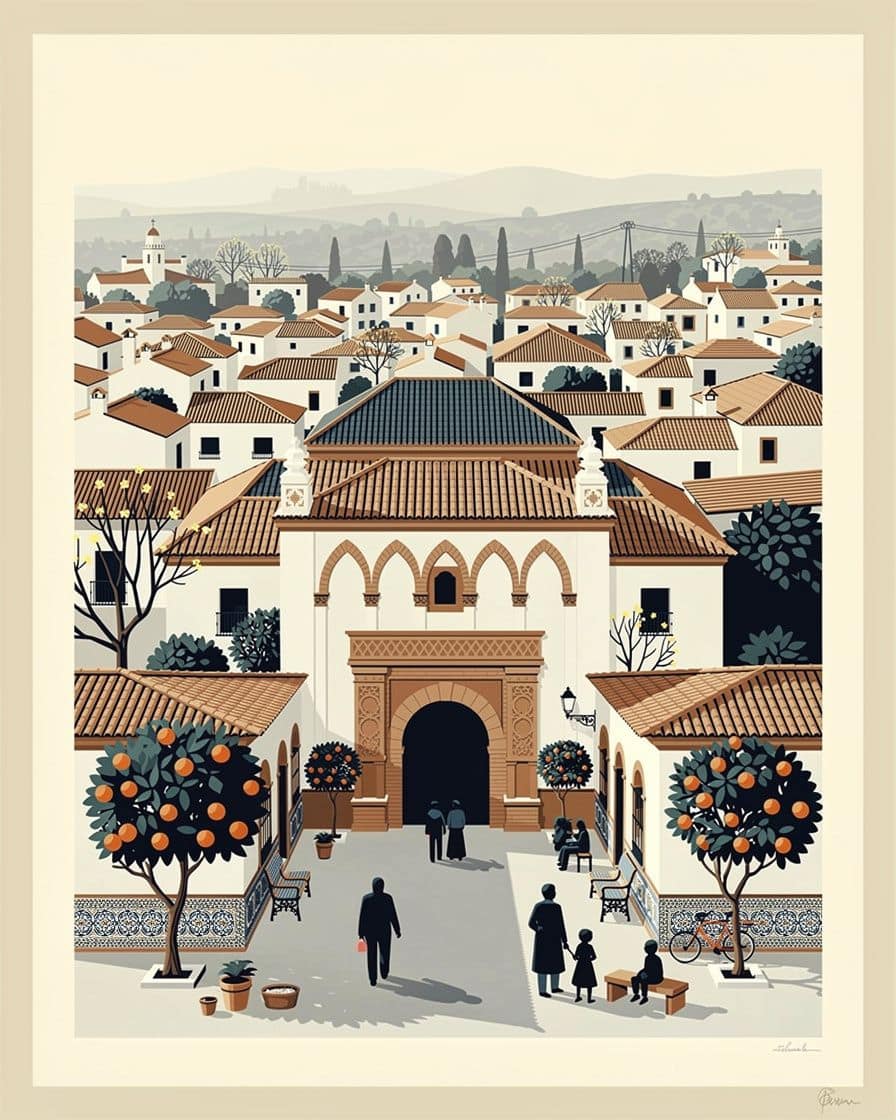
Triana is the neighbourhood on the far side of the Guadalquivir, famous for its ceramics tradition, its role in Holy Week and a reputation as "Seville's most authentic neighbourhood" that several of the city's own guides qualify: it is mostly a residential, everyday district, with few major monuments compared with the historic centre.
With sensible planning, 3 to 4 hours are enough for the essentials, or 6 to 8 hours if you add flamenco and a proper meal.
What is worth seeing in Triana?
The Triana Bridge (Puente de Isabel II), made of iron and completed in 1852, is the natural way into the neighbourhood and gives the best view of the Giralda and the Torre del Oro, especially at sunset. It is open to walkers 24 hours a day.
The Mercado de Triana, around 150 years old, stands on the remains of the old Castillo de San Jorge, seat of the Inquisition from the 15th to the 18th century. Entry to the castle's small archaeological space is free, with set visiting times, although several blogs from 2025 and 2026 warn that it is a modest space, more archaeological than spectacular.
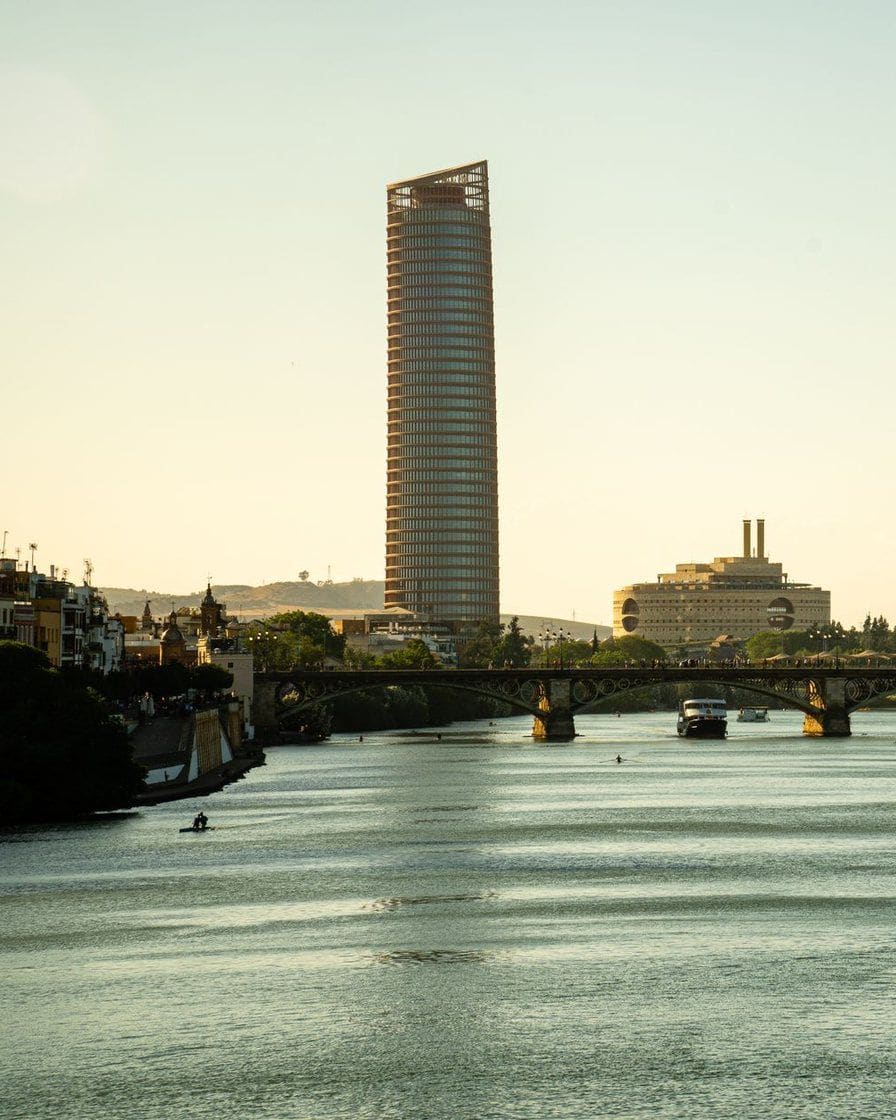
The Centro Cerámica Triana, housed in the former Santa Ana factory, is one of the most highly regarded pottery centres in Europe and features in every serious guide consulted between 2018 and 2026. Admission costs between €3 and €5 general admission, free or reduced with some cultural passes.
The Real Parroquia de Santa Ana, consecrated in 1266, was the first Christian church in Seville after the reconquest and is known as "the cathedral of Triana", although its interior is plain: a single nave, with little in the way of museum display.
What is overrated in Triana?
The Capillita del Carmen, at the end of the bridge, is very photogenic but it is somewhere you pass, not a visit: most people stay less than 5 to 10 minutes. Treating it as a long stop overestimates what it offers.
The "patios and corrales of Triana", mentioned in almost every list of things to see, have no stable public circuit: access is usually private and visits are occasional. Guides rarely warn that most of them cannot be visited freely.
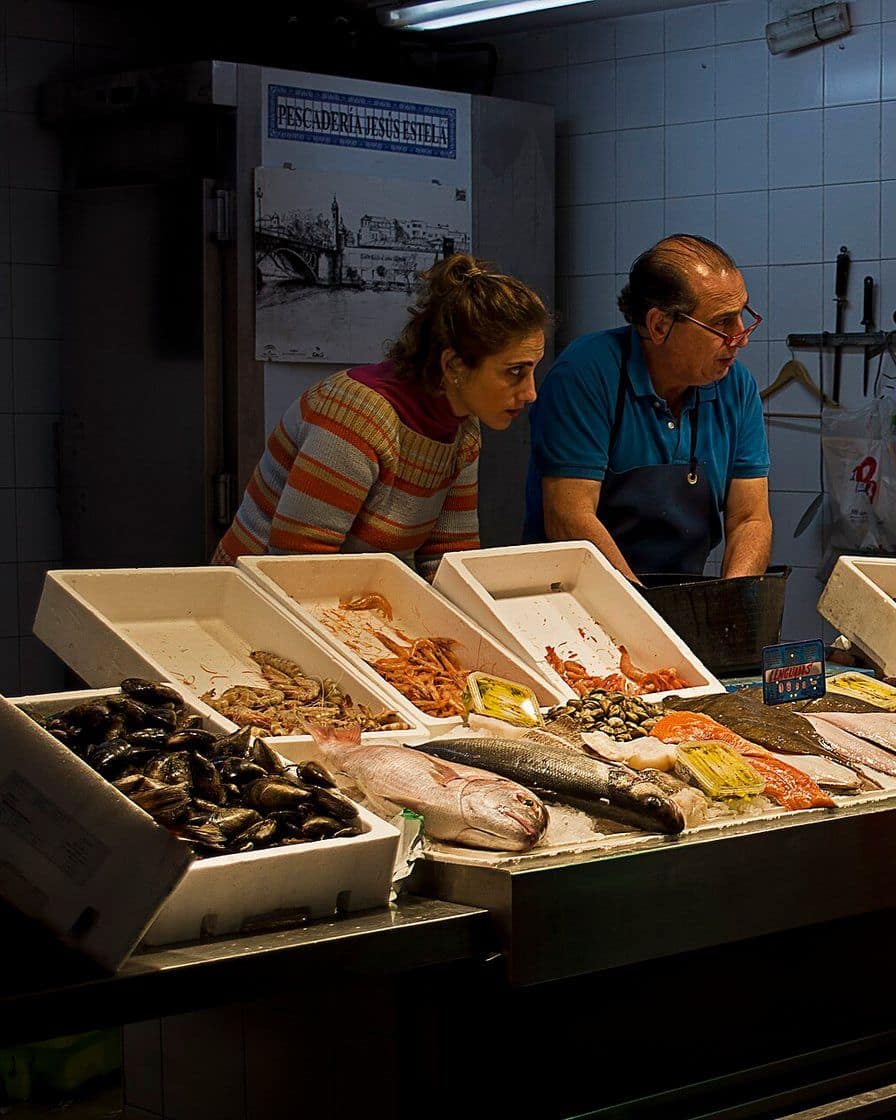
Photo: Anual, CC BY-SA 4.0, via Wikimedia Commons
Flamenco in Triana ranges from tourist-oriented venues to neighbourhood ones, at very different prices. Comparing shows and guided tours in a single catalogue stops you overpaying for a standard format.
See guided tours and activities in Seville →Affiliate link: booking through it helps keep this guide going, and costs you nothing extra.How much does flamenco cost in Triana?
Prices run between €20 and €40 per person in the tourist-oriented venues, and between €15 and €20 in less touristy peñas (the peñas are local flamenco clubs). Online ticketing platforms usually charge €5 to €10 more per ticket than buying directly at the tablao, according to blog comparisons from 2023 to 2025.
Packages combining flamenco, tapas and a short cruise on the Guadalquivir sell for €50 to €80 per person, almost always more than arranging each activity separately.
How much time should you spend in Triana?
For the essentials (bridge, market, castle, ceramics centre, Santa Ana and the riverside walk), the guides agree on 3 to 4 hours at an easy pace. For a full day with flamenco and a meal, 6 to 8 hours.
Morning is the best time for the market and the cultural spaces, with fewer people and lower temperatures in the hot season. Sunset is the recommended time for the bridge and Calle Betis, with views over the historic centre.
During Holy Week, streets such as Pureza, Castilla and Pelay Correa can become almost impassable because of the processions, although the guides do not quantify how crowded they get.
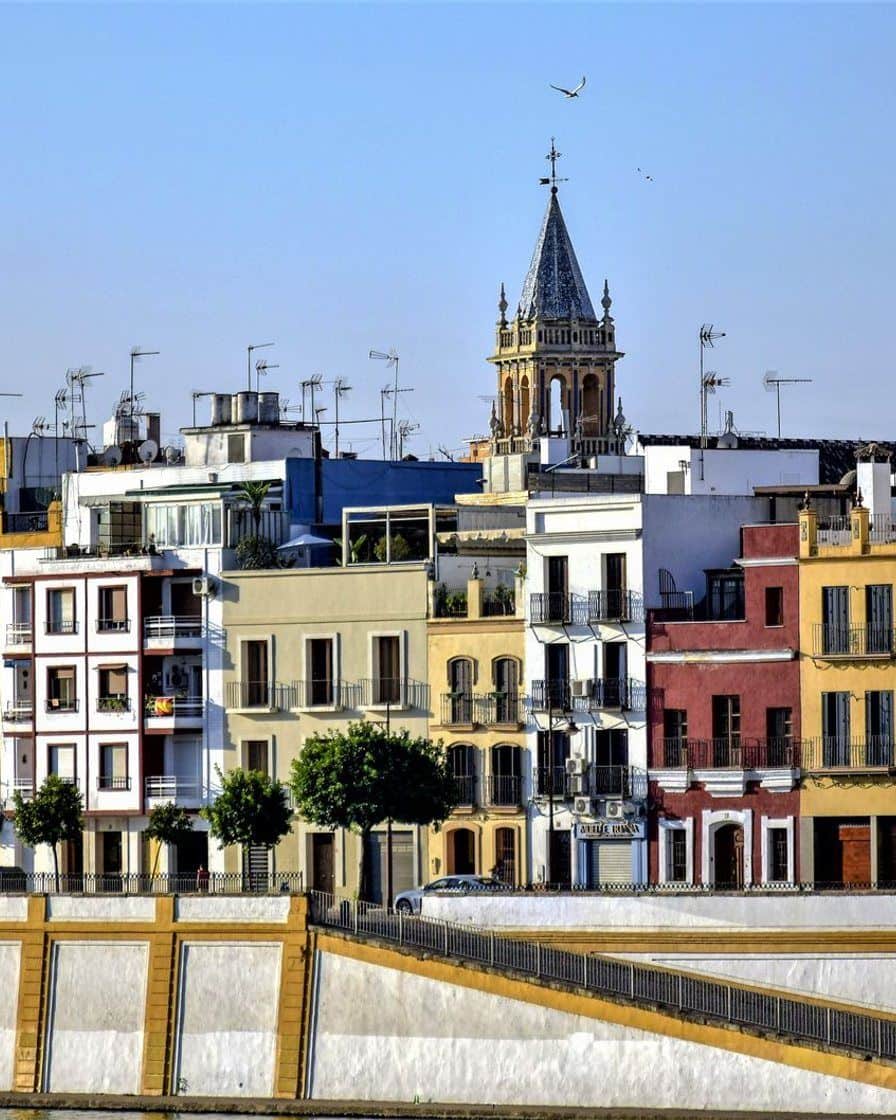
Staying in Triana puts you right in the neighbourhood, with a different view of the historic centre across the bridge. It is an alternative to the more touristy districts on the opposite bank.
See places to stay near Triana →Affiliate link: booking through it helps keep this guide going, and costs you nothing extra.Missing from every source: Triana in detail
- Full admission prices for Santa Ana and several chapels, described as "low-cost entry" with no figure.
- Free-entry policies such as "first Sunday of the month" applied specifically to Triana's venues.
- The real average length of visits: the figures quoted are guides' recommendations, not measurements.
- The share of shops with English-speaking staff away from the tourist streets: there are only anecdotal accounts.
The rest of Seville, with actual visiting times and complete routes, is in the guide to Seville in 3 days and in the main guide to what to see in Seville.
Sources
- Sevilla Secreta, Viajeros Callejeros, Organizo tu Viaje: what to see in Triana, 2024-2026.
- Exprilo: the Triana neighbourhood, viewpoints and opening hours, 2024-2025.
- Hellotickets, El Viajero Feliz: admission and opening hours of the Castillo de San Jorge, 2024-2025.
- Meliá, Andalucía Mía, Apparkya: Centro Cerámica Triana, prices and historical background, 2023-2025.
- Barceló, Diario de un Mentiroso: flamenco in Triana and crowding during Holy Week.
Prices carry their year and are reviewed each edition. What has not been published is flagged as such.
Frequently asked questions
What can you see in Triana in half a day?
How much does a flamenco show cost in Triana?
Can you visit the Castillo de San Jorge in Triana for free?
Is Triana badly affected by Holy Week?
Álvaro Pineda
Álvaro worked for seven years as a guide at the Alcázar before he started writing. He walks his itineraries with a stopwatch and cuts whatever does not fit into a real day. He would rather say a monument is not worth it than pad out a list.